Sunday, 9 May 2021

BOOKSHELF: - John Grisham Collection


 Ramesh Kumar from Greater Noida 

Circa 1994-8. 

We were living in Sadiq Nagar, Just behind Andrewsganj Extension, near Moolchand Hospital.

I loved John Grisham, smitten by his The Pelican Brief read in March 1992, a few weeks after resettled in New Delhi. 

Another favorite author is Frederick Forsyth, via his magnum opus  Day Of The Jackal read in undergrad stage (1973-6), introduced by childhood chum Raghunathan, now a retired Banker. More about FF later. 

While in the grip of Grisham and given my huge collection of his works then, set up Grisham Book Club and made known of its existence in Andrewsganj Extn, an upper middle class, fiction loving residents. Announced Rs1 per day lending charge. Got good reception. No book was retained beyond 48 hours. Big turnaround time. 

I miscalculated readers would hold back for a week. Phew! Door delivery service: drop and pick up! In the pre Amazon era. Daughter was my delivery executive. Poor planning.

Grisham, indeed, was unputdownable. Don't believe? Try his legal thrillers. This February born author churns out a book every year. ๐Ÿ“š๐Ÿ“–

Thursday, 29 April 2021

เค•िเคจ्เคจเคฐเค•ीเคœीเคตเคจเคฐेเค–ा ... เคฒीเคฒैंเคกเค•े เคคเคฐीเค•ेเคธे


เคฒेเค–เค•- เคฐเคฎेเคถ เค•ुเคฎाเคฐ * เคนिเคจ्เคฆी เค…เคจुเคตाเคฆ- เคชंเค•เคœ เค•ुเคฎाเคฐ


। 


เคฒेเค–เค•-เคฐเคฎेเคถเค•ुเคฎाเคฐเคนिंเคฆीเค…เคจुเคตाเคฆ-เคชंเค•เคœเค•ुเคฎाเคฐ


เค‰เคธเค•ाเคจाเคฎเคฎเคฐ्เคซीเคฅा| เคฒเคฎ्เคฌाเค•เคฆ,เค›เคฐเคนเคฐाเคฌเคฆเคจ,เคฌाเคฒเคนเคฎेเคถाเคฌंเคงेเคนुเค,เคฒिเคชเคธ्เคŸिเค•? เคนเคฎेเคถा, เค—เคฐ्เคฎिเคฏोंเคฎेंเค•ाเคฒाเคšเคถ्เคฎाเค”เคฐเคเค•เคฒेเคกीเคœเคชเคฐ्เคธเค•เคจ्เคงोंเคชेเคŸेंเค—ाเคนुเค†|

เคฎเคฐ्เคซीเฅงเฅชเคธाเคฒोंเคคเค•เคฎेเคฐेเคชเคกोเคธीเคฅेเคœเคฌเคคเค•เคฎैंเคตเคนांเคฅा, เคฎैंเคคीเคธเคฐेเคฎाเคฒेเคชेเคฐเคนเคคाเคฅाเค”เคฐเคตोเคฎेเคฐेเคŠเคชเคฐเคตाเคฒेเคฎेเคฒเคชเคฐ|

เคฒเค—เคญเค—เคฐोเคœเคนเคฎเคเค•เคฆूเคธเคฐेเค•ोเค…เคญिเคตाเคฆเคจเค•เคฐเคคेเคฅे|

เคฎเคฐ्เคซीเค•िเคจ्เคจเคฐเคฅे,เค”เคฐเคเค•เคชเคฐिเคตाเคฐเคฎेंเคฐเคนเคคेเคฅेเคœिเคธเคฎेंเค•ुเค›เคฌเค•เคฐिเคฏां, เคฎुเคฐ्เค—िเคฏांเค”เคฐเคเค•เค•ुเคค्เคคाเคฅा,เค›เคคเคชเคฐเค‰เคจ्เคนोंเคจेเคฌเคฐเคธाเคคीเคกाเคฒเค•เคฐเคซ्เคฒैเคŸเคฌเคจाเคฐเค–ाเคฅा|

เค•िเคจ्เคจเคฐोंเคธेเคฏेเคฎेเคฐाเคชเคนเคฒाเคจเคœเคฆीเค•ीเคธंเคชเคฐ्เค•เคนुเค†เคฅा|เคฎेเคฐेเคชเคฐिเคตाเคฐเค•ोเค›ोเฅœเค•เคฐเคฌिเคฒ्เคกिंเค—เค•ेเคฌाเค•ीเคชเคฐिเคตाเคฐเค‰เคจเคธेเคฆूเคฐीเคฌเคจाเค•เคฐเคฐเค–เคคेเคฅेเค”เคฐเคนเคฎेเคถाเคเคธेเคธเคตाเคฒเค‰เค ाเคคेเคฅेเค•ीเคนเคฎเคเคธीเคฌिเคฒ्เคกिंเค—เคฎेंเค•ैเคธेเคฐเคนเคธเค•เคคेเคนैं,เคฎैंเคจेเคเคธेเคธเคตाเคฒोंเค•ोเค•เคญीเคคเคตเคœ्เคœोเคจเคนींเคฆी|


เคฒเคฎ्เคฌीเคธเฅœเค•เคฏाเคค्เคฐाเค“ंเคฎेंเค•िเคจ्เคจเคฐเค…เค•्เคธเคฐเคŸोเคฒเคช्เคฒाเคœाเคชेเคฎिเคฒเคคेเคนैं, เคตเคนांเคตेเคนเคฐเค—ाเคกीเค•ेเคฎाเคฒिเค•เคธेเคฎเคฆเคฆเค•ीเค—ुเคนाเคฐเค•เคฐเคคेเคนैं| เคฎเคฐ्เคฆเค‰เคจ्เคนेंเค…เคœीเคฌเคจเฅ›เคฐोंเคธेเคฆेเค–เคคेเคนैंเค”เคฐเคญเคฆ्เคฆेเค•เคฎेंเคŸเค•เคฐเคคेเคนैंเคœเคฌเค•िเคฎเคนिเคฒाเคंเค‰เคจเคธेเคกเคฐเค•เคฐเค•ाเคฐเค•ेเคถीเคถेเคšเฅाเคฒेเคคीเคนैं| เคนाँ,เค•ुเค›เคŸ्เคฐเค•เคก्เคฐाเค‡เคตเคฐเค‰เคจ्เคนेंเคฎเคฆเคฆเคฎेंเคฐूเคชเคฏेเคฆेเคฆेเคคेเคนैं|


เคšेเคจ्เคจเคˆเค•ेเค†เคธเคชाเคธเค•ीเคฐेเคฒเค—ाเฅœिเคฏोंเคฎेंเคœเคฌเคญीเคœाเคคाเคนूँเค•िเคจ्เคจเคฐเค—ाเคกीเคฎेंเคธเคตाเคฐเคนोเคœाเคคेเคนैं, เคฎเคฆเคฆเคฎांเค—เคคेเคนुเค,เค”เคฐเค•เคญीเค•เคญीเคคोเคธเคนเคฏाเคค्เคฐीเค‡เคจเคธेเค›ुเคŸเค•ाเคฐाเคชाเคจेเค•ेเคฒिเคเคชुเคฒिเคธเคคเค•เค•ोเคฌुเคฒाเคฒेเคคेเคนैं|

เคฏेเคนเคฎाเคฐेเคธเคฎाเคœเค•ाเคนिเคธ्เคธाเคนोเคคेเคนुเคเคญीเคจเคนींเคนैंเค•्เคฏूंเค•िเคนเคฎเคฎेंเคธेเค…เคงिเค•ांเคถเคฒोเค—ोंเคจेเค‡เคจ्เคนेंเค…เคชเคจाเคจेเคธेเค‡ंเค•ाเคฐเค•เคฐเคฆिเคฏाเคนै|เคเค•เคธाเคฎाเคจ्เคฏเฅ›िเคจ्เคฆเค—ीเคธेเคตंเคšिเคค, เคธเคฎाเคœเคฆ्เคตाเคฐाเคช्เคฐเคคाเฅœिเคคเค”เคฐเค…เคš्เค›ाเคœीเคตเคจเคฏाเคชเคจเคจเคฎिเคฒเคชाเคจेเค•ेเค•ाเคฐเคจเค‰เคจ्เคนेंเคญीเค–เคฎांเค—เคจीเคชเฅœเคคीเคนै|

เคธंเคตिเคงाเคจเคฎेंเค‡เคจเค•ोเคฎเคฐ्เคฆเค”เคฐเค”เคฐเคคเคœाเคคिเค•ेเคฌเคฐाเคฌเคฐเคนเฅ˜เคฆेเคจेเค•ीเคฌाเคคเค…เคš्เค›ीเคนै, เคชเคฐเคœเคฐुเคฐीเคนैเค…เคธเคฒिเคฏเคคเคฎेंเค‡เคจ्เคนेंเค…เคชเคจाเคจेเค•ी| เคฏเคนीเคช्เคฐเคฏाเคธเค…เคถोเค•เคฒीเคฒैंเคกเค•เคฐเคฐเคนाเคนै|

เคฎाเคฐ्เคšเฅจเฅฆเฅจเฅงเคฎेंเค…เคถोเค•เคฒीเคฒैंเคกเคจेเคเค•เค…เคš्เค›ीเคถुเคฐुเค†เคคเค•ी|เคจเคฎ्เคฎเค•เคฒ, เคคเคฎिเคฒเคจाเคกुเคœเคนाँเค‡เคจเค•ीเคเค•เคฎाเคค्เคฐเคก्เคฐाเค‡เคตเคฐเคŸ्เคฐेเคจिंเค—เค‡ंเคธ्เคŸिเคŸ्เคฏूเคŸเคนैเคœोเค—เคคเฅฉเคฆเคถเค•ोंเคธेเคšเคฒเคฐเคนीเคนै, เฅจเฅซเคเค•เฅœเคฎेंเคซैเคฒीเคนुเคˆ, เคก्เคฐाเค‡เคตिंเค—เคธीเค–ाเคจेเค•ीเคธाเคฐीเคธुเคตिเคงाเค“ंเคธेเคชเคฐिเคชूเคฐ्เคฃ|เคฏเคนाँเฅฎเค•िเคจ्เคจเคฐोंเค•ोเคŸ्เคฐेเคจिंเค—เค•ेเคฒिเคเคจाเคฎांเค•เคจเค•िเคฏाเค—เคฏाเค”เคฐเค‰เคจเค•ोเคธ्เคŸेเคŸเคŸ्เคฐांเคธเคชोเคฐ्เคŸเคกिเคชाเคฐ्เคŸเคฎेंเคŸเคธेเคตैเคงเคก्เคฐाเค‡เคตिंเค—เคฒाเค‡เคธेंเคธเคฆिเคฒाเคจेเค•ीเคต्เคฏเคตเคธ्เคฅाเค•ीเค—เคฏी|

เค‡เคธเค•ाเคธाเคฐाเคถ्เคฐेเคฏเคฎुเคนเคฎ्เคฎเคฆเค…เคฒीเคธाเคนเคฌเค•ोเคœाเคคाเคนैเคœोเคนिंเคฆुเคœाเค—्เคฐुเคชเค•ंเคชเคจीเค•ेเคจेเคถเคจเคฒเคนेเคกเคก्เคฐाเค‡เคตเคฐเคŸ्เคฐेเคจिंเค—เคนैं| เคนเคฎाเคฐेเคธंเคตाเคฆाเคคाเคธेเฅžोเคจเคชเคฐเคฌाเคคเค•เคฐเคคेเคนुเคเค‰เคจ्เคนोंเคจेเคฌเคคाเคฏाเค•ीเคšेเคจ्เคจเคˆเคนेเคกเค‘เคซिเคธเค•ेเคเคšเค†เคฐเคนेเคกเคธेเคฌाเคคเค•เคฐเคคेเคนुเคเค•िเคจ्เคจोเคฐोंเค•ोเคŸ्เคฐेเคจिंเค—เคฎेंเคถाเคฎिเคฒเค•เคฐเคจेเค•ाเคœिเค•्เคฐเคนुเค†เคฅा|

เค‰เคจ्เคนोंเคจेเคฏेเคญीเคฌเคคाเคฏाเค•ीเค•ुเค›เคธाเคฒเคชเคนเคฒेเคเค•เค•िเคจ्เคจเคฐเค•ोเคŸ्เคฐेเคจिंเค—เคฆीเค—เคฏीเคฅीเคชเคฐเคก्เคฐाเค‡เคตिंเค—เคฒाเค‡เคธेंเคธเคฎिเคฒเคจेเค•ेเคฌाเคฆเค‰เคจ्เคนोंเคจेเคก्เคฐाเค‡เคตिंเค—เคจเคนींเค•ी,เคซिเคฐเค‰เคธเค•ाเค…เคคाเคชเคคाเคญीเคจเคนींเคšเคฒा, เค‡เคธเคฒिเคเคนเคฎเคจेเคจเคเคธिเคฐेเคธेเคฏेเค•ाเคฎเคซिเคฐเคถुเคฐूเค•िเคฏा|

เค•เคนเคคेเคนैं, เคœเคนाँเคšाเคนเคตเคนांเคฐाเคน|

เคคเคฎिเคฒเคจाเคกुเค•ीเคฏेเคตिเคถेเคทเคคाเคนैเค•ीเคตोเคเคถिเคฏाเค•ाเคเค•เคฎाเคค्เคฐเคเคธाเคฐाเคœ्เคฏเคนैเคœเคนाँเค•िเคจ्เคจเคฐोंเค•ाเคธเคฌเคธेเคฌเฅœाเฅงเฅฎเคฆिเคตเคธीเคฏเคค्เคฏौเคนाเคฐเคฎเคจाเคฏाเคœाเคคाเคนै|เค‡เคธเคค्เคฏौเคนाเคฐเค•ेเคฆौเคฐाเคจเค‰เคจเค•ाเคธांเค•ेเคคिเค•เคตिเคตाเคนเคฌเคนुเคคเคนเคฐ्เคทोเค‰เคฒ्เคฒाเคธเค•ेเคธाเคฅเคนोเคคाเคนैเค”เคฐเค†เค–เคฐीเคฆिเคจเคตेเคตिเคงเคตाเคชเคจเค•ोเค…เคชเคจाเคคेเคนैं|

เค•िเคจ्เคจเคฐเคธเคฎाเคœเคฆ्เคตाเคฐाเคช्เคฐเคคाเฅœिเคค, เค•ोเคˆเคœीเคตเคจเคฏाเคชเคจเค•ाเคธाเคงเคจเคจाเคฎिเคฒเคจेเค•ेเค•ाเคฐเคฃเคญीเค–เคฎांเค—เคจेเคฏाเคตैเคถ्เคฏाเคตृเคคिเคชेเคฎเคœเคฌूเคฐเคนोเคคेเคนैं|เคเคธेเคนाเคฒाเคคเคฎेंเค…เคถोเค•เคฒीเคฒैंเคกเค•ाเค‰เคจ्เคนेंเคก्เคฐाเค‡เคตिंเค—เคธीเค–ाเคจेเค”เคฐเคฐोเคœเค—ाเคฐเคฆेเคจेเค•ाเค•เคฆเคฎเคธเคฐाเคนเคจीเคฏเคนै|

เคธाเคฒोंเคธेเคฎैंเคจेเคฎเคนिเคฒाเคŸ्เคฐเค•เค”เคฐเคฌเคธเคก्เคฐाเค‡เคตเคฐเค•ीเคฎांเค—เค•ाเคธाเคฎเคจाเคเค•เคธीเคเคธเค†เคฐเค•ेเคช्เคฐเคคिเค—ंเคญीเคฐเค•ंเคชเคจीเคธेเคฒीเคนै,เคชเคฐเคฒीเคฒैंเคกเค•ेเค‡เคธเค•เคฆเคฎเค•ाเคญเคตिเคท्เคฏเคธเคšเคฎुเคšเคฆेเค–เคจेเคฏोเค—्เคฏเคนोเค—ा|

เค‡เคจเฅฎเค•िเคจ्เคจเคฐोंเคฎेंเคธेเฅฉเคœिเคจเค•ोเคŸ्เคฐेเคจिंเค—เค”เคฐเคตैเคงเคก्เคฐाเค‡เคตिंเค—เคฒाเค‡เคธेंเคธเคฎिเคฒเค—เคฏी, เคเค•เคนैंเคฎเคจीเคทाเค…เค—्เคฐเคตाเคฒเคœोเคเค•เคธเคฐ्เคŸिเคซाเค‡เคกเคเคฎเคธीเคเคนैं|เค‰เคจ्เคนोंเคจेเฅžोเคจเคชेเคฌเคคाเคฏाเค•ीเคฏेเคเค•เคฌเคนुเคคเค…เคš्เค›ाเค…เคตเคธเคฐเคนै,เคนाँเคฏेเค”เคฐเคฌाเคคเคนैเค•ीเค‰เคจ्เคนेंเคเคฎเคธीเคเค•เคฐเคจेเค•ेเคฌाเคฆเค•ोเคˆเคจौเค•เคฐीเคจเคนींเคฎिเคฒी, เคจाเคฆीเค—เคฏी|

เคฒीเคฒैंเคกเค•ेเค…เคฒीเคธाเคนเคฌเคœोเค‡เคธเคช्เคฐोเคœेเค•्เคŸเค•ेเค•เคฒ्เคชเคจाเคถ्เคฐोเคคเค”เคฐเค•ाเคฐ्เคฏเค•เคฐ्เคคाเคนैं,เค‰เคจเค•ाเค•เคนเคจाเคนैเค•ीเค•िเคจ्เคจเคฐोंเค•ोเคก्เคฐाเค‡เคตเคฐเค•ेเคฐूเคชเคฎेंเคฒेเคจेเค•ीเคฎिเคถ्เคฐिเคคเคช्เคฐเคคिเค•्เคฐिเคฏाเคนै, เคฏेเคฌเคธเคถเคฐुเค†เคคเคนै|เค‰เคจ्เคนोंเคจेเค•เคฐ्เคจाเคŸเค•เคนोเคธूเคฐเคฌॉเคฐ्เคกเคฐเคชेเฅฎเค•िเคจ्เคจเคฐोंเค•ेเคฒिเคเคจौเค•เคฐीเค•ीเคต्เคฏเคตเคธ्เคฅाเค•ीเคนै|

เคธुเคฐेเคถเคฌाเคฌूเคœोเคจเคฎ्เคฎเค•เคฒเคธ्เคฅिเคคเคก्เคฐाเค‡เคตเคฐเคŸ्เคฐेเคจिंเค—เค‡ंเคธ्เคŸिเคŸ्เคฏूเคŸเค•ेเคนेเคกเคนैं,เค‰เคจ्เคนोंเคจेเค‡เคธเคช्เคฐोเคœेเค•्เคŸเค•ीเคธเคซเคฒเคคाเค•ाเคชूเคฐाเคตिเคถ्เคตाเคธเคœเคคाเคฏा, เค•िเคจ्เคจเคฐोंเค•ाเค‡เคธเคจเคเคœเคฐिเคฏेเคธेเคฆिเคฒเคœीเคคเคจेเค•ाเคญी| เค‰เคจ्เคนोंเคจेเคฌाเคนเคฐเค•ुเคถเคฒเคคाเคธेเค‡เคจเค•िเคจ्เคจเคฐเคก्เคฐाเค‡เคตเคฐเค•ोเคŸ्เคฐेเคจिंเค—เค•ेเคฆौเคฐाเคจเคจเคฎ्เคฎเค•เคฒเค•ीเคธเฅœเค•ोंเคชेเค—ाเคกीเคšเคฒเคตाเคˆเคคाเค•िเคธเคฎाเคœเค‡เคจเค•ेเคจเคเคฐूเคชเค•ोเคฆेเค–เค”เคฐเคชเคนเคšाเคจเคธเค•े|

เคฎเคจीเคทाเค•ोเค†เคถाเคนैเค•ीเค•िเคจ्เคจเคฐเคธเคฎाเคœเคก्เคฐाเค‡เคตिंเค—เค•ोเคฐोเคœเค—ाเคฐเค•ेเคฐूเคชเคฎेंเคธ्เคตीเค•ाเคฐเค•เคฐेเค—ा| เค‰เคจ्เคนोंเคจेเคฏेเคญीเค•เคนाเค•ीเคตेเคก्เคฐाเค‡เคตिंเค—เค•ोเคเค•เคจเคฏीเค•เคฒाเคธीเค–เคจेเค•ेเคฐूเคชเคฎेंเคฒें|

เค…เคฒीเคธाเคนเคฌเค•ोเค†เคถाเคนैเค•ीเคตेเคฒीเคฒैंเคกเค•ेเคฎैเคจेเคœเคฎेंเคŸเค•ोเคฎเคจीเคทाเค•ेเคฒिเคเค…เคชเคจेเคฏเคนाँเคก्เคฐाเค‡เคตเคฐเคŸ्เคฐेเคจเคฐเคจिเคฏुเค•्เคคเค•เคฐเคตाเคจेเคฎेंเคคैเคฏाเคฐเค•เคฐเคจेเคฎेंเคธเคฎเคฐ्เคฅเคนोเคœाเคฏेंเค—े|

เค•्เคฏाเคฏेเค•िเคจ्เคจเคฐเคก्เคฐाเค‡เคตเคฐเคธเคฎเคธ्เคคเคญाเคฐเคคเคฎेंเค•ाเคฎเค•เคฐเคจेเค•ोเคคैเคฏाเคฐเคนैं? เคธुเคฐेเคถเคฌाเคฌूเค•ाเค•เคนเคจाเคนैเค•ीเค…เคญीเค‰เคจเค•ेเคชाเคธเคเคฒเคเคฎเคญीเคฒाเค‡เคธेंเคธเคนैเค”เคฐเคเค•เคธाเคฒเคฌाเคฆเคนीเคเคšเคเคฎเคญीเคฒाเค‡เคธेंเคธเคฎिเคฒेเค—ी|

เคชเคฐเคคเคฎिเคฒเคจाเคกुเคธेเคฌाเคนเคฐเคนिंเคฆीเคญाเคทाเค•ीเค•เค िเคจाเคˆเค“ंเค•ाเค•्เคฏाเคนोเค—ा?เคฎเคจीเคทाเค•ाเค•เคนเคจाเคนैเค•ीเค‰เคจเค•ाเคฌเคšเคชเคจเคฎुंเคฌเคˆเคฎेंเคฌीเคคเคจेเค•ेเค•ाเคฐเคฃเค‰เคจ्เคนेंเคญाเคทाเค•ीเค•ोเคˆเคชเคฐेเคถाเคจीเคจเคนींเคนै|

เคฎเคจीเคทाเคธेเคชुเค›ाเค—เคฏाเค•ीเคŸ्เคฐेเคจिंเค—เค•ेเคฆौเคฐाเคจเค‰เคจเค•ोเคฎเคฐ्เคฆเคก्เคฐाเค‡เคตเคฐเคญाเค‡เคฏोंเคจेเค•ैเคธेเคธ्เคตीเค•ाเคฐเค•िเคฏा, เค‰เคจ्เคนोंเคจेเคฌเคคाเคฏाเค•ीเคชเคนเคฒाเคฆिเคจเคฎुเคถ्เค•िเคฒเคฅाเคชเคฐเคฌाเคฆเคฎेंเคธเคฌเค ीเค•เคนोเค—เคฏा|

เคธुเคฐेเคถเคฌाเคฌूเคจेเคฌเคคाเคฏाเค•ीเคชเคนเคฒेเคฒोเค—ोंเค•ोเคฌเคนुเคคเคœिเคœ्เคžाเคธाเคฅीเคชเคฐเคธเคฌเค•िเคจ्เคจเคฐเคก्เคฐाเค‡เคตเคฐเค•ोเค†เคฐเคŸीเค“เคฆ्เคตाเคฐाเฅงเฅฆเฅฆเคช्เคฐเคคिเคถเคคเคŸ्เคฐेंเคกเคชाเคเคœाเคจेเคชेเคฌเคนुเคคเคคाเคฐीเฅžเคฎिเคฒी|

เค…เคฒीเคธाเคนเคฌเค…เคฌเคกेเฅเค•ेเค…เคฒเค—เค…เคฒเค—เคœเค—เคนोंเคฎेंเคœเคนाँเคฐाเคœ्เคฏเคธเคฐเค•ाเคฐोंเคฆ्เคตाเคฐाเคšเคฒेเคœाเคจेเคก्เคฐाเค‡เคตिंเค—เคŸ्เคฐेเคจिंเค—เคธ्เค•ूเคฒเคนैं, เค•िเคจ्เคจเคฐเคธเคฎाเคœเค•ोเคช्เคฐोเคค्เคธाเคนिเคคเค•เคฐเคจेเคฎेंเคฒเค—ेเคนैं, เคตिเคถेเคทเคคःเคŸ्เคฐเค•เคก्เคฐाเค‡เคตเคฐเคฌเคจเคจेเค•ेเคฒिเค, เค‰เคจเค•ाเคช्เคฐเคฏाเคธเคนैเค•ीเคฏेเคชเคฐเคฒैंเค—िเค•เคตเคฐ्เค—เคœिเคจเค•ोเคธเคฐ्เคตोเคš्เคšเคจ्เคฏाเคฏाเคฒเคฏเค•ीเคฎाเคจ्เคฏเคคाเคนै, เค‰เคธเคตเคฐ्เค—เค•ोเคฌเคฐाเคฌเคฐीเค•ाเค…เคงिเค•ाเคฐเคฎिเคฒे|

เค…เคถोเค•เคฒीเคฒैंเคกเค•ोเคฌเคนुเคคเคฌเคนुเคคเคฎुเคฌाเคฐเค•เคฌाเคฆ !!!


เค‡เคธเคฒेเค–เค•ेเคฒेเค–เค•เคจेเฅงเฅฆเฅฆเฅฆเฅฆเค•िเคฒोเคฎीเคŸเคฐเคฐाเคœ्เคฏเคฎाเคฐ्เค—ोंเคชเคฐเคฌिเคคाเคฏाเคนै, เคŸ्เคฐांเคธเคชोเคฐ्เคŸเคฎिเคค्เคฐเคช्เคฐाเค‡เคตेเคŸเคฒिเคฎिเคŸेเคกเค•ेเคธเคน-เคธंเคธ्เคฅाเคชเค•เคนैं,เคก्เคฐाเค‡เคตเคฐเคฆुเคจिเคฏाเคจाเคฎเค•เคค्เคฐिเคฎाเคธिเคฏेเค…ंเค—्เคฐेเคœीเคชเคค्เคฐिเค•ाเค•ेเคเคกिเคŸเคฐเคนैंเค”เคฐเคฏूเคŸ्เคฏूเคฌเคšैเคจเคฒเคธเคฎाเคšाเคฐเคธเฅœเค•เคธेเค•ेเคจिเคฐ्เคฎाเคคा/เคจिเคฐ्เคฆेเคถเค•เคนैं|


BOOKSHELF: Plato and a Platypus Walk Into A Bar - Thomas Cathcart & Daniel Klein


 Ramesh Kumar from Greater Noida

Believe me when I declare that I bought this book on 19 August 2011. Yes 10 years ago. Somehow, I did not complete the process for which the book was purchased in the first place, viz., reading. It expectedly landed on the bookshelf. 

30 months after shifting to a new home on the outskirts of the national capital (Delhi), I  was dusting my bookshelf and in the process of rearranging the collection (200 books the while rest gathering dust at the Delhi flat under lock and key), this book caught my attention, warranting me to keep it "aside". Why I did what I did, I have no idea. That act was rewarding. 

Dusting and rearranging done, reclining on the sofa, the journey of getting familiar with this book began on 28 April. Believe me the next 48 hours saw me engrossed in this unputdownable book. Wit and wisdom. The authors explain philosophy in simple terms with simplicity and lot of jokes. Yes, jokes culled from wherever possible. Relevant to the topic or titled chapter. 

Check these out (screenshots) to taste the w&w:


Every single page is a gem. So beautifully these authors explained such dull subject. Try reading any tome by any author on philosophy. Rest assured that they will be sleep inducing even before you complete the first five sentences. 

No wonder the tagline of this book jacket reads: Understanding philosophy through jokes 

Cathcart and Klein are an exception. Don't open the book as a bed-read before sleep. You will be deprived of sleep. You're warned. Don't blame me. 


Lifeline for Transgender, Leyland style


Ramesh Kumar from Greater Noida

Murphy is the name. Tall. Slim. Male voice. Hair tied in a bun always. Lipstick, of course. In summer, dark goggles. A lady's vanity bag hung on the shoulders.

Murphy was my neighbor for 14 long years until I shifted out. I was on the third floor and Murphy was one floor above. We met almost daily and exchanged greetings.

Yes, Murphy was Transgender, living with an extended family, including a few goats, chicken, and a dog on the exclusive terrace flat (barsati).

That was my close encounter with transgenders. Barring my family, other flatmates kept a distance from Murphy. Questions cropped up as to "how can you live in the same building?" type. I ignored such questions.

On long road trips, I came across them at most of the toll plazas where they beseech every single car occupant for  "help". Men had curious looks and or some lewd comments while women rolled up car windows fearing as if they were tsunami. Truck drivers by and large gave a few rupees.

Again, whenever I travel in Chennai suburban trains, they board seeking alms. At times, passengers feel peeved and raise alarm warranting police intervention.

They are part of our society. Still, they are not because the majority of us have not accepted them as fellow passengers on Planet Earth.

Denied of normal life, ostracised by society, and bereft of a decent livelihood, they are compelled to beg. Legislating to accept their gender in addition to male and female is fine. But what matters is action on the ground. That's precise, Ashok Leyland is attempting.'


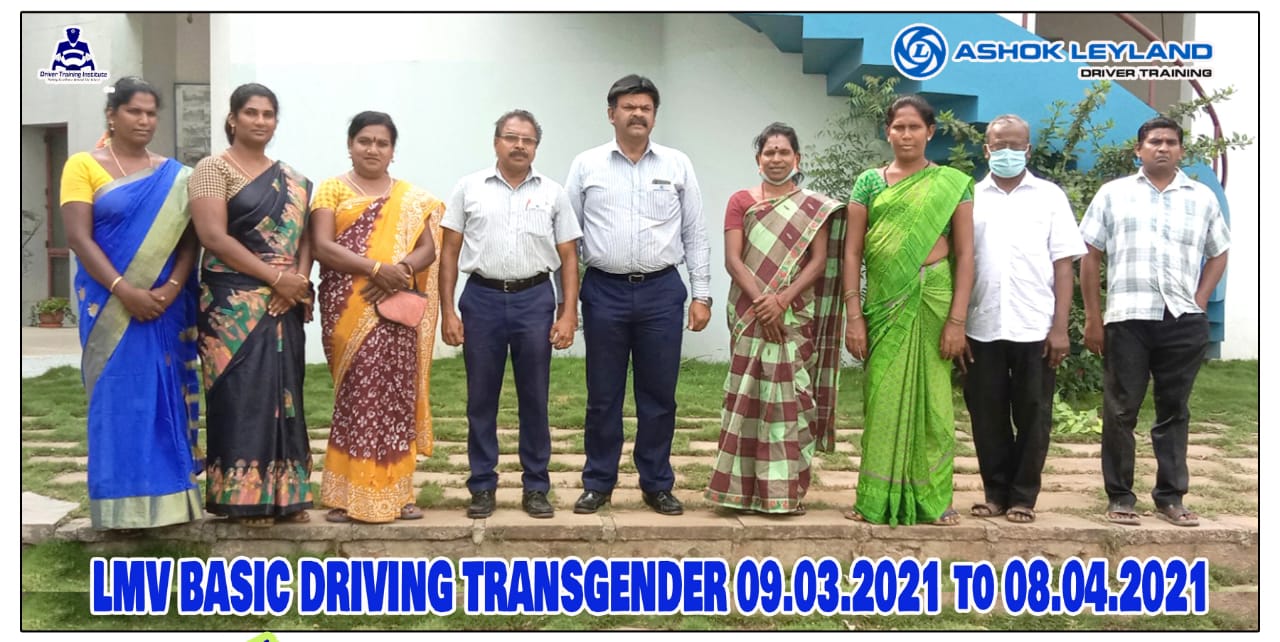
The credit, on the ground, goes to Mohammed Ali, National Head of Driver Training at the Hinduja group company. Talking to this correspondent over the phone, Ali said that during an interaction with his human resource head in the Chennai headquarters of India's number two trucking company, the topic of roping in transgenders cropped up.

"A few years ago, we did train one transgender but that person did not pursue after getting the driving license and we lost track. So, we have to start afresh," he avers.

Where there is a will, there is a way. Tamilnadu perhaps has the unique distinction of holding Asia's biggest festival to celebrate transgenders. It runs for 18 days where transgenders congregate to get married symbolically with fun and frolic and on the last day, embrace widowhood.

Transgenders marginally by society and deprived any meaningful livelihood resort to begging and prostitution. That's where the Ashok Leyland initiative to skill them as drivers are laudable.

Over years, I keep requests for women drivers for buses and trucks from CSR-serious corporate. How far this Leyland move will be worth watching.

Of the three out of eight transgender who has undergone training, certified, and received the authentic Driving License is Manisha Agarwal, a qualified MCA. "This is a good opportunity," Manisha exclaims during a telephonic chat with this writer. Not to be ignored is her assertion that no job was offered though Manisha was considered for Infotech jobs given her qualification.

Ali of Leyland, who conceived and executed the project, concedes that the reception to absorb transgender as drivers are mixed. "It is early days," he adds. Meanwhile, he managed to get a job opening for one of the eight Transgender drivers in the industrial town of Hosur, bordering Karnataka.

Suresh Babu, heading the Driver Training Institute at Namakkal and who did the spadework to roll out this initiative is confident of winning over the heart of transgender to join the mainstream via Leyland. Cleverly, he made the first batch of transgender drivers steer through the town roads in Namakkal during training and created an awareness about their new role in society as drivers.

Manisha is hopeful of her peers in the Transgender community would love to embrace driving as a career option. "We have been talking to them about our expeirence in learning a new skill and they are eager," she adds.

To cap it, Ali is hopeful of convincing his top-brass at Leyland to absorb Manisha as one of his institute's trainers at Namakkal.

Are these transgenders ready for pan-India driving? Babu points out that currently they hold LMV driving licenses and at the end of one year on the job training, they will be ready for HMV. Valid point.

What about the linguistic challenge of Hindi outside Tamilnadu? Manisha, a speaker of Hindi thanks to her parentage and upbringing in Mumbai in childhood, says that she is ready.

What about the reception during the training at the institute? "Day one was a bit tough but subsequently, all other male trainees understood us," adds Manisha.

Adds Babu: "The curiosity value was definitely. Appreciation of our move followed. At the local RTO office, these Transgender drivers were found to be 100% well trained."

Ali, meanwhile, is exploring tapping the transgender community in other parts of India where it has driver training schools set up with local government support to add the depleting driving community, particularly in the trucking segment. If not the long haul, at least these third gender, approved by Supreme Court and granted equal status at least on paper, can address the shortage in the last mile delivery.

Congrats, Ashok Leyland!

The writer is author of 10,000 KM on Indian Highways, co-founder of Transport Services P Ltd and Editor of DRIVERS DUNIYA, an English Quarterly & Director-Producer of SAMACHAR SADAK SE, a YouTube weekly program. Reachable at ramesh@konsultramesh.com


Friday, 16 April 2021

Global brands hide behind supply chain traceability gap to tackle the BCI call for cotton boycott

Ramesh Kumar From Greater Noida 

In the ongoing anti-China sentiments reverberating across most of the capitals in the world, supply chain traceability is playing a big role. The United States and it's West European allies have put several global brands in a tight spot in collective their fight against Xi Peng's China. 

Xinjiang cotton is at the center of controversy. Global fashion retailers such as Sweden's H&M, Burburry, Adidas, Nike, etc are feeling the pinch. These companies have been advised by their respective governments not to use cotton from the Xinjiang province in China. Why?

US and its allies have cottoned onto the theory that China uses forced labor in Xyghur where the minority Muslims are imprisoned and thus China is allegedly violating human rights. So, not to buy anything made from Xinjiang cotton. 

Here's the catch. Without exception, the global giants get their stuff made from various third-world countries that use Xinjiang cotton. However, it is difficult to trace the cotton origin given the multilayered supplier network. Supply chain visibility and traceability challenges. Even in good times, the biggest of multinationals seldom paid attention beyond tier 1 vendors. They never felt the need or compulsion to be ethical. 

History is replete with unethical business practices by the global giants.

The military and economy strong Beijing is not going to sit back tweedling its thumb. It told these global brands with a huge presence in the 1.4 billion populated and lucrative consumer market to lift the boycott of Xinjiang cotton or else face the music in the form of reverse social boycott. That is, these brands have to down the shutter in China if they don't withdraw their cotton 

China's state-controlled media and social media unleashed a massive campaign to boycott these global brands. A big dilemma for these giants because the domestic Chinese consumption is expected to double by 2030, says Morgan Stanley: 12.7 trillion American dollars, which is equal to what US consumers spend today. 

German's Hugo Boss claims that it is not using Xinjiang cotton but on the Weibo social media platform, taking another stance saying that it would continue to favor Xinjiang cotton because Xinjiang long cotton is one of the best in the world. Meanwhile, Chinese ecom platforms are removing these brands.


This development has led to Chinese brands such as Li-Ning and Anta gaining more footballs and media coverage. Celebrities began sporting Chinese brands.

The two sides pitted against one another are no babes. They are ready for a long-drawn battle. The moot question will be who will blink first. 

Significantly, the Better Cotton Initiative which said it was stopping all cotton procurement from Xinjiang on account of forced labor has removed its public statement from its website. This about turn, it claims, is based on the recent reports by its office in China and third parties. 


BCI was founded in Switzerland in 2009. It sets the global standard for cotton industries and certifies cotton farms globally. It boasts of 2100 members across the world including cotton farmers, textile businesses and retail brands. 

This reversal will enable 500,000 tonnes of Xinjiang cotton to enter the global supply chain of textile production. China supplies 24 per cent to the global demand and Xinjiang region alone contributes a whopping 87 per cent. 

.


Sunday, 11 April 2021

Mexican $8bn Maya train project in a logjam


Ramesh Kumar from Greater Noida

Infra projects and public protest are inseparable. It will be rare to see any mega infrabuild going unchallenged. There are no exceptions: be it a road or rail or coastal shipping yard plans. Not necessarily these agitations lead to the project scrap. Some modifications are conceded to placate the hurt sentiments of the few. The project is finally through. 

Mexican President Andres Manuel Lopez Obrador is faced with such a dilemma now. His 1,500 8 billion American dollar Maya train project to complete before he steps down in 2024 has run into trouble. 

The train is intended to connect Caribbean beach resorts to the peninsula’s interior, with large Indigenous populations and ruin sites, in a bid to stimulate economic development around its 15 stations.

Environmental concerns, yes. Regional Indigenous and Popular Council of Xpujil or Cripex for short, a local non-governmental organization, is spearheading the agitation among other groups, wanting the project to be scrapped citing the impact of diesel engines on the rail tracks particularly on the endangered jaguars en route. 

An estimated 15,000 jaguars remain in the wild. There are only 6000 jaguars in the north and central America, half of which are found in the Calakmul region, which includes the southern Yucatan of Mexico and surrounding areas of Belize and Guatemala. It is estimated that there 500 jaguars in the Calakmul Biosphere Reserve. This is the second-largest population north of the Amazon.

Not to be missed out is the architectural treasure through which this rail line would run as and when ready ferrying passengers and cargo. The Mayas formed a sprawling empire of city-states across Yucatan and Central America between 2,000 B.C. and A.D. 900, and their descendants still live on the peninsula.

Experts in Mexico said Wednesday they have detected more than 2,000 pre-Hispanic ruins or clusters of artifacts along the proposed route of the president's controversial "Maya Train" project on the Yucatan peninsula.

Anticipating trouble, Lopez has given the rail line contract to the military on which trains are expected to chug at 160 km per hour linking several tourist spots - the Mayan ruins to be precise. 

The project was flagged off three years ago and the old track is being torn off. Ecological crime, antagonists say while a section of govt critics hint at cost overruns. White elephant, say some. Not needed because the passenger and cargo projections are way off the mark.

The felling of trees to make space for a new rail track is being defused by President's Sowing Life program - a tree planting plan at 4,500 pesos a month for everyone. 


Agitationists warn of the risk to the karst geohydrological systems of the peninsula, characterized by their fragility and the existence of a subway aquifer, with severe problems of overexploitation and contamination in the most populated metropolitan area of the region. 

Diesel engine when the entire world is moving towards electric? ask some. Valid and pertinent question. 

This area runs the risk of being fragmented, not only by the construction of the railway facilities but also by the continuous passage of trains for the next 50 years. Besides, this territory is inhabited by a Mayan population that has not exercised its right to self-determination, under international commitments of the Mexican State.

A public hearing under the Escazu Agreement ratified by the Mexican government in January 2021 is demanded. 

Meanwhile, Spanish train-operating company Renfe opened an office in Mexico from where it will develop the so-called Maya Train. Renfe was awarded this 13.5mn euro contract at the end of 2020, together with another Spanish company, Ineco, and, DB Engineering & Consulting, a German company, to collaborate in the development of the three-year project. 

Mexico's richest man Carlos Slim has invested in this train project to be completed by 2024 looping around the Yucatan peninsula. China Communications Construction Company is also an investor. After more than a decade-long lull of nil investment in Mexico, China is slowly creeping in under the Lopez regime.  Former US President Barrack Obama is opposed to any Chinese investment in Mexico. The Joe Biden Administration has so far has not publicly said anything about the Mexican-Chinese investment scenario. 

Come 2024, will the controversial Mayan train be on track, enabling Lopez   return to power for yet another six year term? Just not Mexicans even the world will be watching, given Mexico's proximity to the United States geographically and the rising Chinese investment in the Central America. 


Saturday, 10 April 2021

The rise of Gorillas' grocery delivery biz


Ramesh Kumar from Greater Noida

Guess the name of a grocery delivery company...

...

Give up? Okay. No issues.

How about "Gorillas"?

Yes. That is the name of a Berlin-based grocery delivery business entity that recently attained unicorn status (1 bn American dollar valuation) with heavy Venture Capital/Private Equity participation. 

Gorillas CEO and co-founder KaฤŸan Sรผmer is thrilled because the latest round of Series B funding is pure 100% equity. No debt at all. 

It operates in 12 cities: Amsterdam, London, and Munich. and offers 10 minutes delivery time to customers.  For this promise to be effective, it adopts the dark store model. Over 40 micro fulfillment centers are functional in Germany, the United Kingdom, and the Netherlands. Over 1000 riders are on its rolls and it promises to reward its riders and warehouse staff with a 1 million American dollar one-off bonus. 

Gorillas was founded May 2020 in the  midst of pandemic by KaฤŸan Sรผmer and Jรถrg Kattner. This German start-up has achieved unicorn status within the first year of its inception. Sumer is a passionate cyclist and rides to identify routes and study traffic patterns.

The founders maintain that the weekly grocery run is outdated. Today, there is spontaneous shopping habits are in vogue. The competition is getting hotter by the day. 


There is discontentment among riders of Gorillas over working conditions. 10 minute delivery time in a city ambiance is no easy task. Gorilla's hourly wage of 10.50 euro is the standard rate in Germany. 

All said and done, lots of money is pouring into last-mile delivery across the globe. Private Equity and venture capitalists see a huge business potential for this business. As and when the pandemic fear evaporates and normalcy is restored, will this business remain sustainable is a moot question. But... no one has a clear-cut answer to this tricky question. 

So far, so good. 

ALSO READ this ... Benetton's toll road sell off pangs

Here read .... SoftBank's Norwegian Warehouse Automation dalliance